
As a divorce lawyer, I spend every day helping people navigate some of the hardest transitions of their lives. The work is about more than dividing assets or drafting agreements; it’s about fairness, stability, and making sure families can move forward with dignity.
That’s also why I support Assemblymember Zohran Mamdani.
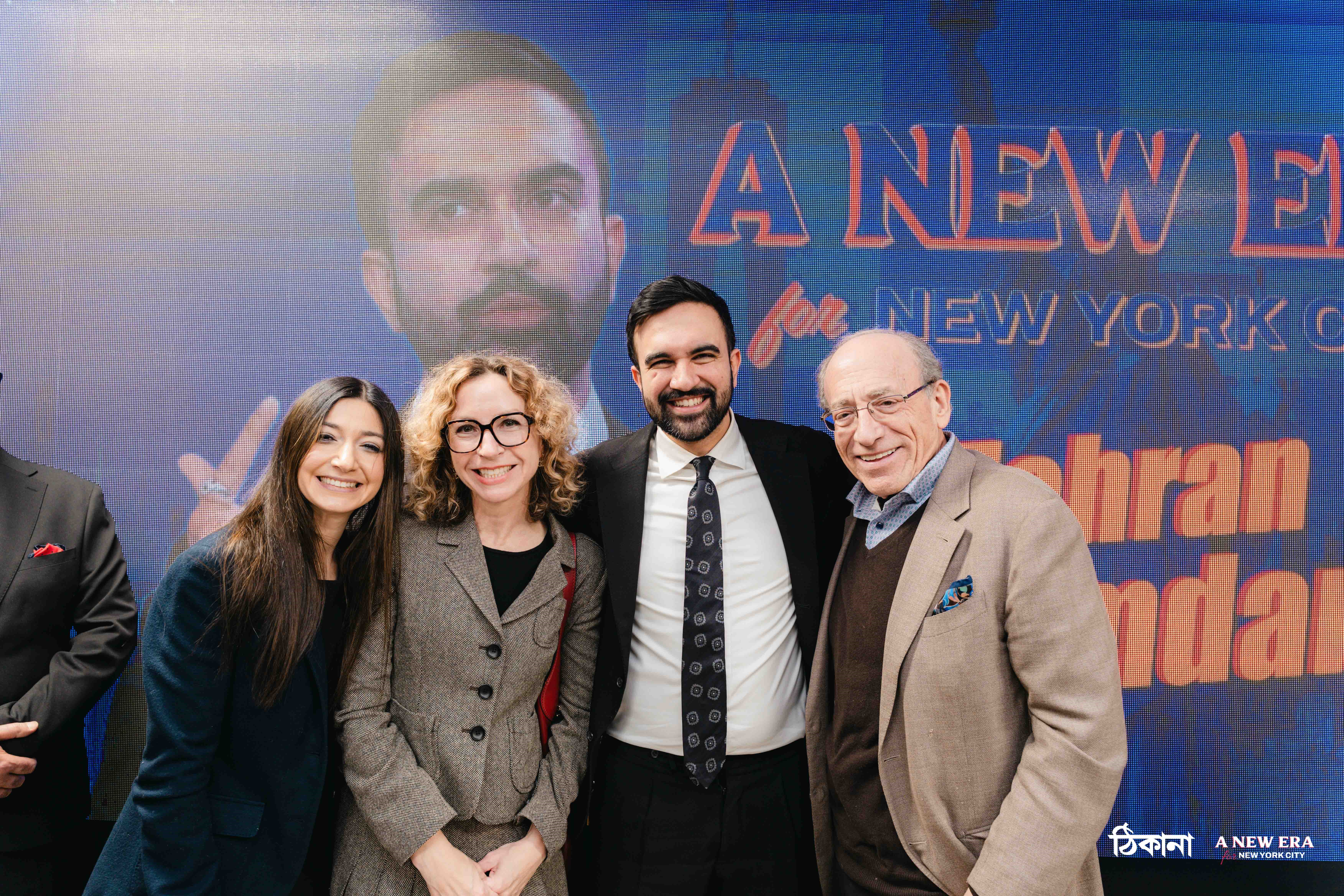
The issues Mamdani champions — affordable housing, immigrant rights, accessible healthcare, and systemic fairness — are not abstract concepts to me. They’re the backdrop of so many of my cases. It is also possible that these same principles also support businesses. Let’s talk about that.
Why Support Mamdani?
Here’s the substance behind my stance:
Affordable Housing:
In divorce, housing is one of the biggest stressors. Who stays, who goes, who can afford to live where: these are real questions for families. Leaders who fight for affordable housing make life less precarious for my clients and their children. From a business perspective, stable households are better consumers: they pay rent, buy goods, invest in education, and contribute to local economies. Instability and displacement, on the other hand, erode neighborhood markets and strain small businesses. Mamdani’s emphasis on equitable policies grows the middle class. A strong, secure middle class is historically the engine of economic growth: they are the ones buying homes, investing in education, and starting new companies. That broader consumer base is good for all business sectors, not just politically aligned ones.
Immigrant Rights:

The families I represent may include first- or second-generation immigrants. They often face extra layers of stress in the legal system, from language barriers to immigration status issues. Mamdani’s advocacy for immigrant communities speaks directly to what I see daily in my practice and in the court system. Leaders who advocate for immigrant communities make the system more just for everyone. Immigrant inclusion is often discussed in moral terms, but the economic upside is undeniable. Immigrants start businesses at higher rates, contribute disproportionately to small-business employment, and fill critical workforce gaps. Fair immigration policy is a talent-retention strategy, not a handout.
Healthcare Access:
Divorce often intersects with health, whether it’s a parent caring for a child with special needs, or one spouse being financially dependent because of medical limitations. Politicians who prioritize accessible healthcare help ease those burdens. Medical challenges often shape financial dependency and caregiving in a marriage. Ensuring access to healthcare makes families more resilient. And that’s especially helpful to families in the middle of reshaping themselves in divorce. Medical insecurity is one of the biggest hidden costs to the economy. Families facing unmanageable health expenses often withdraw from the workforce, default on debt, and reduce spending — all of which ripple through local economies. Accessible healthcare isn’t just compassion; it’s economic efficiency. When people can manage chronic illness or afford childcare for a medically fragile child, they stay employed, pay taxes, and spend money. Businesses gain from reliable employees and fewer disruptions. Stable families are the foundation of a stable economy, and healthcare access keeps them there.
Systemic Fairness:
In family law, fairness and predictability make the system work. The same principle applies to markets. Businesses thrive in fair systems where contracts are enforced, workers are stable, and clients have confidence in institutions. Mamdani’s calls for equity and accountability translate directly into lower turnover, higher employee retention, and fewer compliance risks.
Too often, “workers’ rights” are painted as a cost to employers. But every HR director knows the truth: turnover is expensive. Replacing an employee can cost more than keeping one satisfied and engaged. Fair wages and equitable systems reduce churn, and that means smoother operations and stronger profits.
Family law isn’t just about dividing property; it’s about giving people who feel powerless a fair chance to move forward. Mamdani challenges systems that are stacked against ordinary people, a mission that mirrors what I do for my clients every day. Equity and due process are not anti-business values; they’re the basis of long-term stability.
Transportation and Infrastructure Investment:
Transit is the circulatory system of the urban economy. Mobility fuels markets. If workers can’t reliably reach job sites, stores, or clients, business grinds to a halt. Mamdani’s investment in public transportation isn’t a social subsidy; it’s a logistics strategy. Efficient movement of people drives productivity.
Better transit means shorter commutes, higher attendance, and lower attrition, all measurable gains for employers. When employees spend less time and money commuting, they have more to spend locally.
The Bigger Picture
The idea that lawyers, or any professionals, should keep their politics invisible is outdated. Law doesn’t exist in a vacuum, and neither do families. These aren’t abstract policy positions to me. They’re the realities I see every day. Supporting someone who works to address them doesn’t weaken my professional standing, it reinforces the values that guide my legal practice. And this can go hand-in-hand with strengthening the economy and supporting businesses.
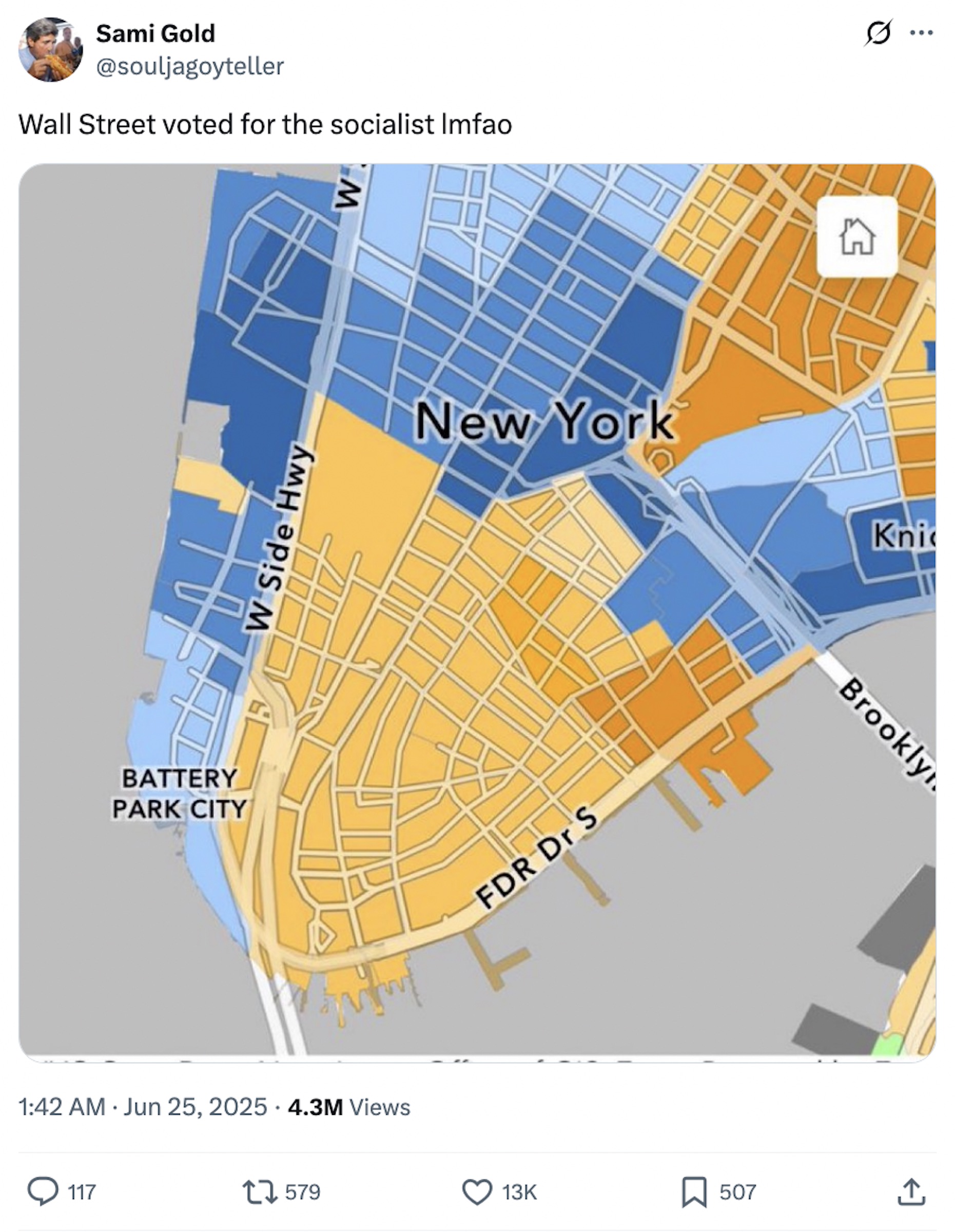
Divorce cases aren’t just about two people separating; they’re about where the children will live, whether a parent can afford housing on one income, how healthcare costs are covered, and what opportunities remain once the dust settles. These outcomes are shaped not just by courtroom arguments but by the policies and systems people live under every day. To pretend otherwise is to ignore the real forces shaping people’s lives. Acknowledging those realities isn’t “political” in a negative sense; it’s honest, and it makes me a more effective advocate.
For those who question whether supporting Mamdani somehow undermines my professionalism: my record speaks for itself. I’ve built a career on guiding clients through some of the most difficult chapters of their lives with strategy, skill, and results. Political values don’t erase legal ability, if anything, they clarify it.
Supporting leaders who fight for fairness and dignity doesn’t make me less capable as a lawyer; it reinforces the same principles I bring into every case. Supporting Mamdani isn’t a distraction from my work; it’s an extension of the same principles — fairness, equity, and community care — that define my practice.
And, I know stability isn’t just good for families: it’s good for the economy. That’s another reason I support Mamdani. His work on housing security, small business equity, and improving public transit isn’t “radical,” it’s practical. When people aren’t facing eviction, they can keep paying rent, shopping at local stores, and investing in their kids’ futures. When workers can get to their jobs reliably, employers see fewer disruptions, less turnover, and better productivity.
Growing the middle class has always been the engine of American prosperity. Policies that protect working families don’t weaken businesses, they create stronger markets for all of us. That’s why supporting leaders like Mamdani isn’t just a moral choice; it’s also a business one.
Law Doesn’t Exist in a Vacuum
Family law doesn’t happen in isolation from the world around us. Housing, healthcare, and economic justice directly shape what families face in divorce. When I say I support Mamdani, it’s about endorsing policies that make my clients’ lives better and my community stronger. I see value in representatives like Mamdani, who focus on housing security, small-business equity, and better infrastructure. Those policies don’t just serve families: they create healthier markets and stronger local economies
Politics aside, my clients don’t hire me for my endorsements: they hire me because I know how to protect assets, negotiate tough settlements, and win in court. Supporting leaders who stand for fairness doesn’t weaken me; it’s exactly the kind of mindset you’d want in the lawyer sitting across the table from your ex.
 The Divorce Artist™️