Byron v. Coldplay: Can You Sue Your Way Out of Viral Embarrassment?

Byron v. Coldplay: Can You Sue Your Way Out of Viral Embarrassment?

The Legal Mess Behind Andy Byron’s Coldplay Kiss Cam Moment

File this under: “Things You Didn’t Expect a Tech CEO To Do in Q3.”

Andy Byron, until recently the CEO of data firm Astronomer, went to a Coldplay concert. The kiss cam landed on him and Astronomer’s head of HR, Kristin Cabot. They did not kiss, but they did look extremely uncomfortable. The moment was captured, posted, reposted, and instantly went viral.

And in a twist worthy of a Silicon Valley soap opera, it may now become the subject of a lawsuit.

Byron, who resigned shortly after the kiss cam clip caught fire, is reportedly considering legal action against Coldplay and the event organizers. The alleged basis? Emotional distress, defamation, and invasion of privacy.

As a lawyer, let me be clear: this case isn’t just weak, it’s practically begging to be thrown out in a footnote. And, if Byron really wants this to blow over quickly, suing a global pop band is certainly… not that. Let’s break it down:

Continue reading “Byron v. Coldplay: Can You Sue Your Way Out of Viral Embarrassment?”


When the Story Shifts: How Survivors Describe Abuse vs. How Abusers Justify It

When the Story Shifts: How Survivors Describe Abuse vs. How Abusers Justify It

One of the most striking differences in how abuse is remembered and recounted lies in who is doing the talking. Survivors and abusers tend to tell entirely different kinds of stories, not just with different content, but with different focus. This distinction isn’t just anecdotal; it’s backed by years of psychological research and survivor testimony.

Survivors of abuse usually focus on what happened. Their stories are centered around actions and events. “He hit me.” “They threatened to kill me.” “She took my phone, my money, my keys.” These are straightforward statements of fact. They reflect the survivor’s attempt to describe their experience, often after a long period of being silenced.

Abusers, on the other hand, rarely speak in terms of what they did. Instead, they focus on why they did it. And that “why” almost always centers on the survivor’s character. “He’s manipulative.” “She’s a terrible mother.” “They are crazy.” These aren’t descriptions of actions. They are attacks on identity, and they serve one purpose: to justify the abuse and discredit the victim.

This dynamic isn’t random. It’s part of a well-documented pattern that psychologists and legal professionals recognize as a form of narrative control. One especially relevant concept here is DARVO —Deny, Attack, and Reverse Victim and Offender — a term coined by psychologist Jennifer Freyd. DARVO describes how perpetrators of abuse often deny what they did, attack the credibility of the victim, and then claim they are the ones being victimized.

Continue reading “When the Story Shifts: How Survivors Describe Abuse vs. How Abusers Justify It”

Gray Divorce Isn’t Just Emotional, It’s Financially Risky

Gray Divorce Isn’t Just Emotional, It’s Financially Risky

Gray Divorce and Retirement: What the Allianz Study Means for Your Future

A new study by Allianz Life shows that one in three Americans aged 61-75 who have been divorced say it negatively affected their retirement security. And the trend of gray divorce (divorcing later in life) is only growing.
The study highlights a growing concern in family law and financial planning: the impact of divorce on retirement security. As more Americans over age 60 choose to end their marriages, the long-term consequences are becoming harder to ignore.
Keep reading for my four key findings from the study:

Continue reading “Gray Divorce Isn’t Just Emotional, It’s Financially Risky”

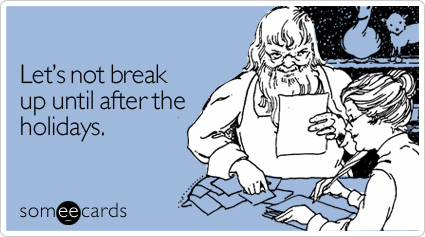
Holidays Can Mean Waiting To Divorce

This holiday season, you are thinking: “Just one more time.” One more time around your mother-in-law’s nasty snide comments; one more draining day of yule-tide “merriment”; and one last New Year’s hurrah. After the confetti settles, the weight of the relationship will be too much. In fact, the stress could do you in. So you will say “never again,” and spend the next year (or more) getting divorced. And you are not alone.

Continue reading “Holidays Can Mean Waiting To Divorce”